

The Oyo State Government has announced plans to restrategise its newly launched free evening classes programme after recording zero attendance on the first day of implementation.
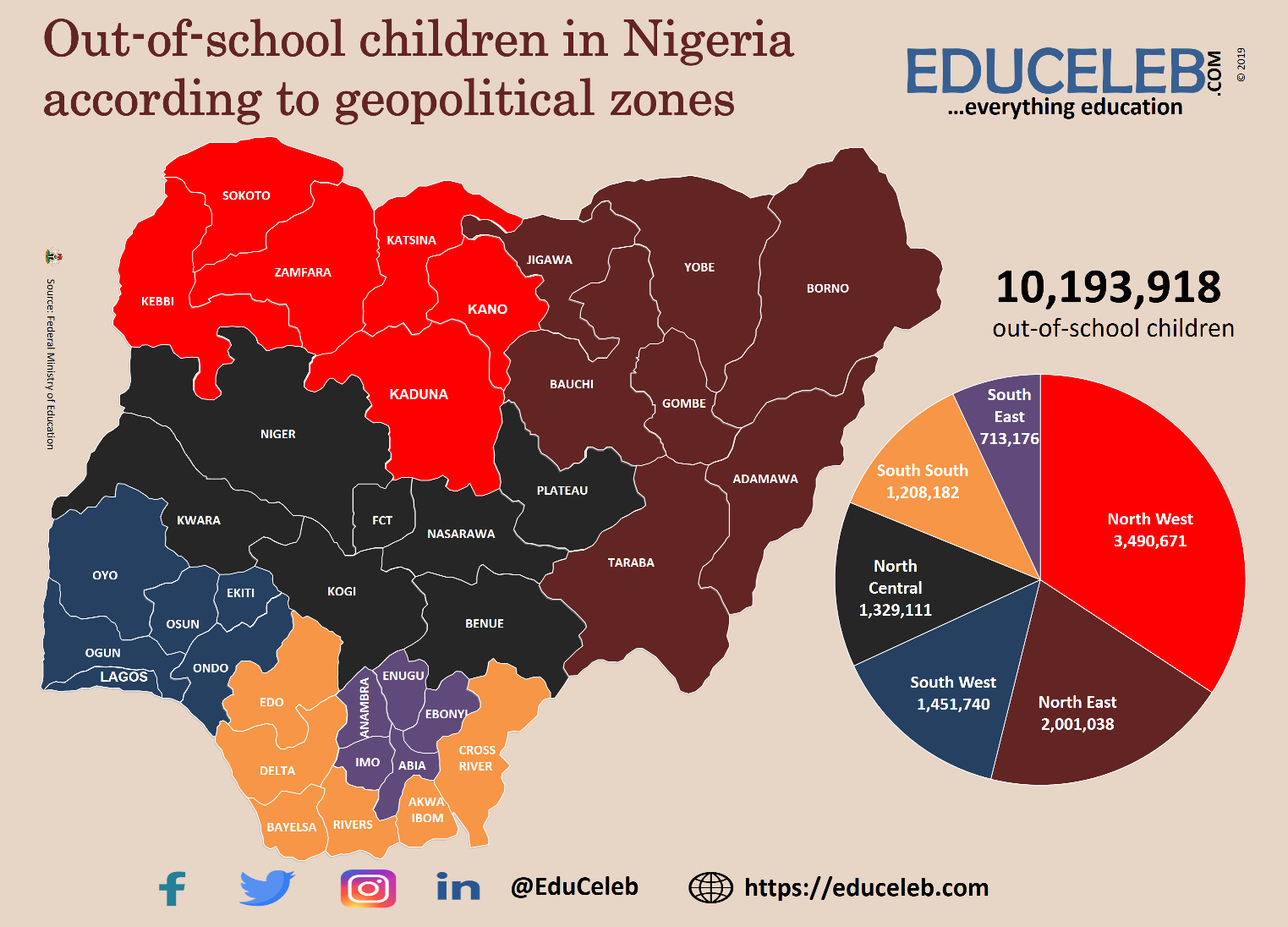
The initiative, introduced by the Commissioner for Education, Science and Technology, Olusegun Olayiwola, is aimed at reducing the number of out-of-school children by providing flexible learning opportunities in major markets across the state.
The pilot scheme, which commenced on Monday, scheduled classes between 4pm and 6pm at designated centres, including St. Brigid’s Primary School, Mokola; St. Patrick’s Basic School, Agbeni; and Methodist Primary School, Bodija.
However, monitoring visits revealed that no pupils turned up at any of the centres.
At St. Brigid’s Primary School, Mokola, only regular school activities were ongoing, with no sign of participants for the programme. Similar reports emerged from Bodija and Agbeni centres.
Permanent Secretary in the ministry, Bamidele Oyinloye, acknowledged the disappointing turnout during an on-the-spot assessment, noting that expectations for the programme’s launch were not met.
“We are not resting on our oars. We would go back and restrategise,” he said.
Officials disclosed that efforts had been made to publicise the programme, including the use of a town crier in market areas and announcements via the state-owned Broadcasting Corporation of Oyo State.
The initiative forms part of broader efforts by the administration of Seyi Makinde to address the out-of-school children crisis through non-formal, flexible education models targeting working children.
Policy design issues
The zero turnout raises immediate questions about policy design versus lived realities:
Timing mismatch: 4–6pm may still be peak trading hours for children engaged in market labour.
Trust deficit: Families may be sceptical of government programmes without sustained engagement.
Incentive gap: Unlike conditional cash transfers or feeding programmes, the model offers no immediate economic trade-off.
Communication limits: Town criers and radio may not effectively reach transient or informal populations.
In short, the failure is less about rejection and more about misalignment with the socio-economic ecology of out-of-school children.
For information on Press Releases, Photos, Promotional Events and Adverts, Please message us on WhatsApp via (+234) 09052129258, 08124662170 or send an email to: info@educeleb.com.